


Paced Bottle Feeding: A Baby-First Way to Bottle Feed
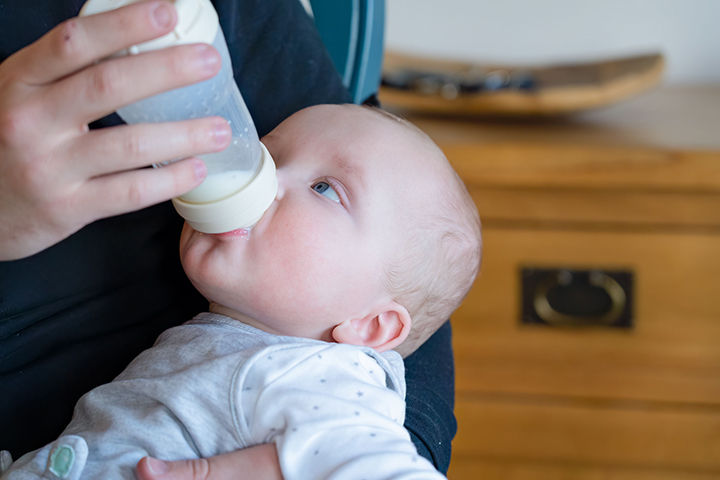
Paced bottle feeding is one of those simple things that can make a big difference, especially if you are breastfeeding and also using bottles.
Whether baby is getting pumped milk, combo feeding, or taking a bottle while mom is away, paced feeding helps bottle feeds feel slower, calmer, and more in tune with baby’s natural hunger cues.
Instead of tipping the bottle up and encouraging baby to finish it quickly, paced feeding gives baby more control.
The goal is not just “get the milk in.”
The goal is to protect baby’s comfort, support digestion, reduce overfeeding, and help make bottle feeding feel more similar to breastfeeding.
This can be especially helpful for breastfed babies because bottles often flow faster and
easier than the breast. When babies get used to a fast bottle, they may become frustrated when they return to nursing.
Paced feeding is a gentle, baby-led way to slow everything down. It lines up with responsive feeding guidance, which focuses on watching baby’s hunger and fullness cues instead of forcing a set amount at every feed.
What Paced Feeding Actually Is
Paced feeding is a way of bottle feeding that slows the flow of milk and lets baby take natural pauses.
Instead of holding baby flat and tipping the bottle straight down into their mouth, you hold baby more upright and keep the bottle more horizontal.
This helps baby work for the milk a little more, similar to breastfeeding.
Baby gets to:
Suck
Pause
Breathe
Swallow
Rest
Decide when they are done
That last part matters.
Paced feeding is not about making baby finish a bottle. It is about following baby’s cues and keeping the feeding calm.
Why Paced Feeding Is Helpful for Breastfed Babies
Breastfeeding and bottle feeding work differently.
At the breast, baby usually has to actively suck and trigger letdown. Milk flow changes throughout the feed, and baby naturally gets pauses.
With a bottle, milk can flow more easily, especially if the nipple flow is too fast.
That means baby may drink more quickly than they realize, swallow more air, or finish a bottle before their body has had time to register fullness.
Paced feeding can help by:
Slowing down the feed
Reducing gulping
Supporting better digestion
Helping prevent overfeeding
Making bottle feeding feel more like nursing
Supporting the breastfeeding relationship
For families who want to continue breastfeeding, paced feeding can be a really helpful tool because it may reduce bottle preference and help baby transition between breast and bottle more smoothly.

How to Pace Feed Step by Step
Start by holding baby in a more upright position.
Baby does not need to be sitting straight up, but they should not be flat on their back.
Their head should be higher than their belly.
Then hold the bottle more horizontally instead of tipping it straight down.
Gently touch the bottle nipple to baby’s lips and let baby open their mouth and latch onto the bottle. Try not to push the nipple into their mouth.
Once baby starts sucking, allow a little milk into the nipple.
Then pause every so often by tipping the bottle slightly downward while keeping the nipple in baby’s mouth. This gives baby a break without fully interrupting the feed.
Watch baby’s cues the whole time.
If baby slows down, turns away, falls asleep, pushes the bottle out, or stops sucking, they may be done.
The goal is to watch baby, not the ounce marks on the bottle.
Use a Slow Flow Nipple
A slow flow nipple is usually best for paced feeding, especially for breastfed babies.
A fast-flow nipple can make milk come out too quickly, even when baby is not actively working for it.
Signs the nipple flow may be too fast include:
Gulping
Coughing
Choking
Milk leaking from the corners of baby’s mouth
Baby pulling away
Baby seeming frantic during the bottle
Finishing bottles very quickly
A slower nipple helps baby control the pace better.
Even as baby gets older, a breastfed baby does not always need to move up to faster nipple sizes. Some babies do best staying on a slower flow for a long time.
Do Not Force Baby to Finish the Bottle
This is one of the biggest parts of paced feeding.
If there is one ounce left, but baby is showing fullness cues, the feed can be over.
It can feel hard to waste pumped milk, especially when every drop took effort. But encouraging baby to finish when they are already full can teach them to ignore their body’s cues.
Fullness cues may look like:
Turning away
Relaxed hands
Slower sucking
Falling asleep
Pushing the bottle out
Refusing to relatch
Looking calm and satisfied
Responsive feeding means baby’s cues matter more than finishing a set amount. The NHS describes responsive bottle feeding as feeding according to baby’s hunger and fullness cues rather than a strict schedule.
Paced Feeding Can Help With Gas and Spit-Up
Some babies get extra gassy or spit up more when they drink too fast.
When milk flows quickly, baby may swallow more air. Their belly can get uncomfortable, and they may seem unsettled after feeds.
Paced feeding slows the feed down and gives baby natural breaks.
You can also pause to burp baby during the bottle instead of waiting until the end.
This does not mean paced feeding fixes every gas or reflux issue, but it can make bottle feeds feel gentler on baby’s belly.
Paced Feeding Supports a Baby-First Mindset
A holistic approach to feeding is not just about what baby is eating.
It is also about how baby is being fed.
Paced feeding supports:
Connection
Eye contact
Responsive feeding
Nervous system regulation
Baby’s natural hunger and fullness cues
Instead of rushing through the bottle, feeding becomes slower and more connected.
Hold baby close. Keep the environment calm. Let feeding be a moment of connection, not just another task to finish.
The CDC also recommends never propping a bottle or leaving baby unattended during bottle feeds because of choking risk.

When Paced Feeding Is Especially Helpful
Paced feeding can be helpful for many babies, but especially if:
Baby switches between breast and bottle.
Baby drinks bottles very quickly.
Baby gets fussy after bottle feeds.
Baby spits up often after bottles.
Baby coughs or gulps while drinking.
Mom is worried about bottle preference.
Baby is taking pumped breast milk while mom is away.
It is also helpful when another caregiver is feeding baby. Sometimes dads, grandparents, or daycare providers may not realize that bottle feeding can be done slowly and responsively.
Teaching them paced feeding can help protect the breastfeeding rhythm you have worked hard to build.
What About Formula Feeding?
Paced feeding can still be helpful even if baby is formula fed or combo fed.
The same baby-first idea applies.
Slow the feed down. Watch baby’s cues. Do not force the bottle. Let baby pause.
This is not only a breastfeeding tool.
It is a responsive feeding tool.
Common Pace Feeding Mistakes
One common mistake is holding the bottle too vertical.
When the bottle is tipped all the way up, milk flows quickly into baby’s mouth, even if baby needs a break.
Another mistake is using too fast of a nipple flow. If baby finishes a full bottle in just a few minutes, the flow may be too fast or the feeding may need more pauses.
Another mistake is encouraging baby to finish the bottle every time. Baby’s appetite can vary from feed to feed, just like adults do not eat the exact same amount at every meal.
And lastly, some caregivers take the bottle in and out of baby’s mouth constantly. Usually, it works better to pause by tipping the bottle down while letting baby stay latched, then tipping it back up when baby begins sucking again.
What is paced bottle feeding?
Paced bottle feeding is a slower, more responsive way to bottle feed that lets baby take breaks and control the flow more naturally.
Is paced feeding only for breastfed babies?
No. It is especially helpful for breastfed babies, but formula-fed and combo-fed babies can benefit from responsive, slower bottle feeding too.
What position is best for paced feeding?
A more upright position is usually best. Baby’s head should be higher than their belly, and the bottle should be held more horizontally.
Do I need a slow flow nipple?
Usually, yes. A slow flow nipple helps baby control the milk better and prevents the bottle from flowing too quickly.
Should baby finish every bottle?
No. If baby is showing fullness cues, it is okay to stop the feed even if milk is left in the bottle.
How long should a paced bottle feed take?
It varies, but paced feeding should usually feel slower and calmer than a rushed bottle. If baby finishes very quickly, the nipple flow may be too fast.
Can paced feeding help prevent bottle preference?
It may help. Since paced feeding makes bottle feeding feel slower and more similar to breastfeeding, it can support babies who switch between breast and bottle.
A Final Note
Paced bottle feeding is a simple way to make bottle feeds slower, calmer, and more responsive to your baby’s needs. By holding baby more upright, using a slow flow nipple, keeping the bottle more horizontal, and allowing natural pauses, you help baby stay in control of the feed instead of rushing through it.
Whether your baby is breastfed, combo fed, or formula fed, the goal is not to finish every ounce. The goal is to watch your baby’s cues, protect their comfort, and make feeding feel calm, connected, and baby-first.


Comments